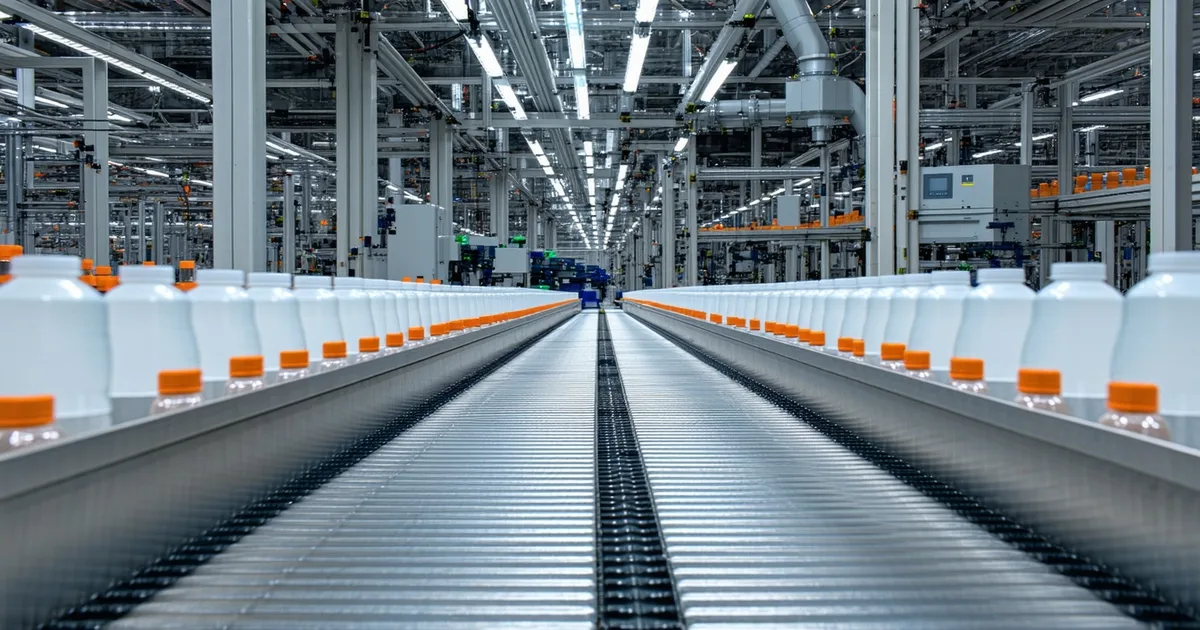
Technical perspectives on AI-powered end-of-line inspection, active learning, and manufacturing QC from the Eolvision team.
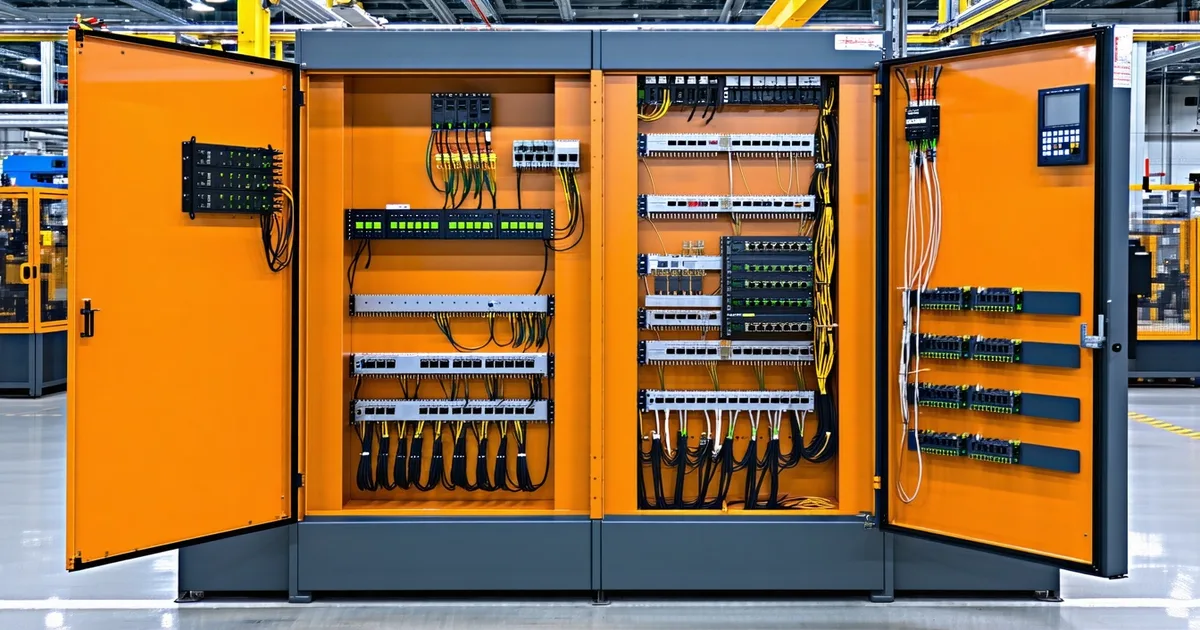
Deploying per-variant inspection models directly to edge compute modules eliminates the round-trip latency and revalidation cost that central-server architectures impose on multi-variant lines.
Read article →
Connecting AI inspection systems to PLCs via OPC-UA and EtherNet/IP without disrupting existing ladder logic or introducing latency at the reject signal interface.
Read article →
NI FlexRIO and NI Vision hardware can serve as the image acquisition layer for AI defect detection without replacing existing NI infrastructure.
Read article →
Pass/fail signals protect the production line; bounding-box annotation records protect the business when warranty claims arrive months later.
Read article →
Integrating AI defect detection with Basler pylon SDK and Zebra FXR90 fixed camera readers on combined tracking and inspection lines.
Read article →
Tooling changes are unavoidable; full vision system revalidation after each one is not. How active learning narrows the revalidation scope.
Read article →
Both platforms offer active learning workflows; the differences become significant when changeover frequency and variant count scale up.
Read article →
A single generic model covering all product variants either over-rejects simple parts or under-detects defects on complex ones. Per-variant switching resolves both.
Read article →
Mid-size manufacturers with Cognex In-Sight or Keyence IV2 cameras can add AI surface defect detection without replacing or reconfiguring the existing installation.
Read article →
Active learning lets the inspection model identify its own uncertainty during changeovers and request the specific labeled examples it needs from the quality engineer.
Read article →